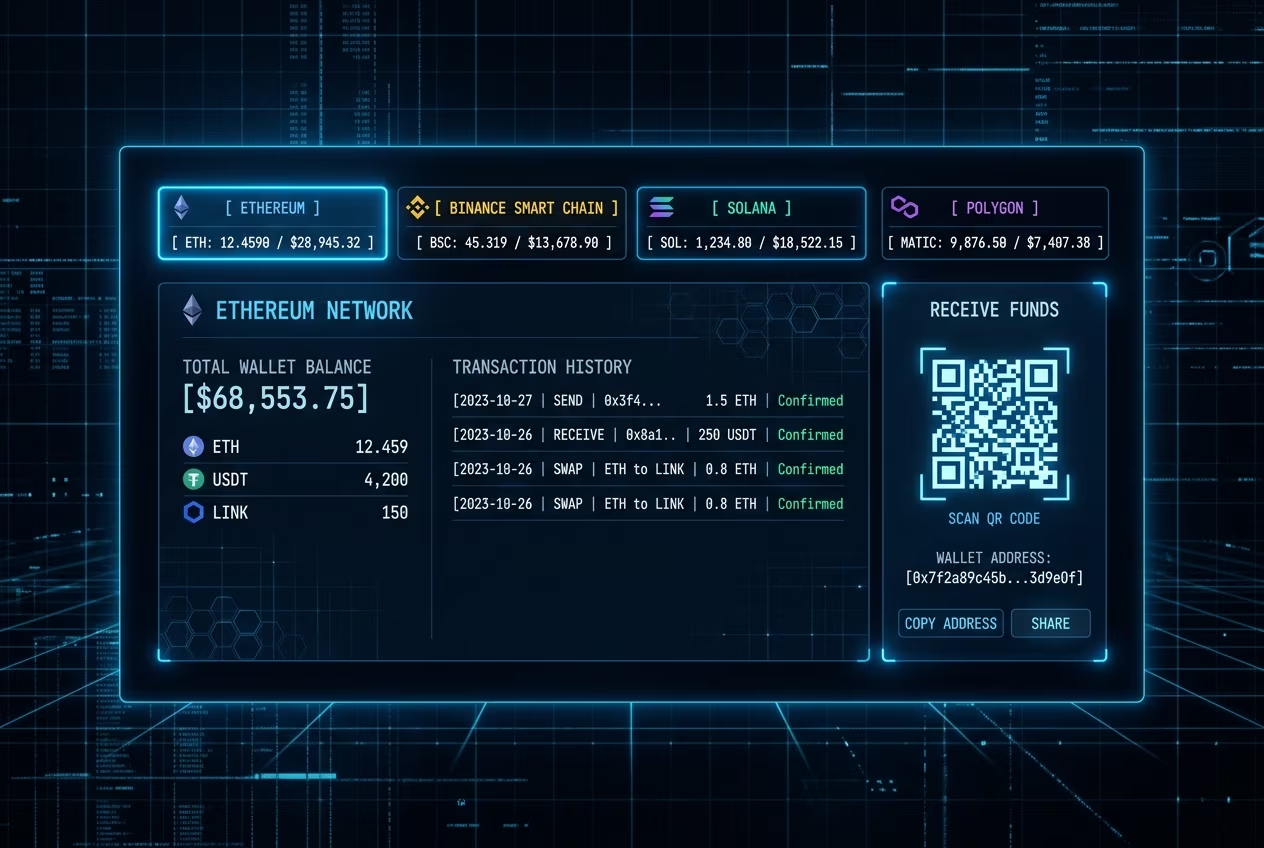
Self‑custodial multi‑chain wallets slip past most regulators, evading MSB, SEC/CFTC and BitLicense shackles. You own the keys, so FinCEN’s MSB registration stays out of sight—2013 guidance says you’re not a money transmitter. No custody, no SEC grip on securities‑like tokens—unless you start selling them. New York’s BitLicense eyes exchangers and custodians, not the private key you keep under your pillow.
Fast‑forward to 2026: the SEC finally draws a line around custodial wallets, leaves self‑custodial ones in the dust—see the SEC press release for the exact limits. New security mandates roar in: MFA, cold‑storage vaults, regular audits—even if you juggle 50‑plus chains like Bitcoin, Ethereum and Solana. One sloppy signature in a P2SH multi‑sig and the whole house collapses. Users abandon labyrinthine flows; they crave a brand they can trust and a UI that feels like a single click. Automate optional KYC, scale worldwide, dodge the MSB nightmare that haunted CoinChief’s US/Canada licences.
Action plan, no fluff: go fully self‑custodial across every chain—embed a 3‑key multi‑sig, split cold and hot stores per chain. Pour money into 2026‑ready defenses: real‑time monitoring, DDoS shields, insurance pools. Build a one‑dashboard UX that hides the chain jungle. The payoff? Zero fines, trust spikes threefold per OKX audits, premium features start raking in cash. The downside? A single multi‑sig slip wipes you out—90 % of hacks trace back to weak signatures. Brand yourself as the safe‑self‑custodial king, automate everything, launch before the on‑chain wars flare up in Q4 2026.